Xammp For Mac
There are many alternatives to XAMPP for Mac if you are looking to replace it. The most popular Mac alternative is Apache HTTP Server, which is both free and Open Source. If that doesn't suit you, our users have ranked 46 alternatives to XAMPP and 18 are available for Mac so hopefully you can find a suitable replacement. XAMPP is completely free PHP development environment. It contains Apache distribution packed with mysql, PHP and Pearl which is available for most popular OS’s like Windows/Linux/Mac OSX, that makes you to configure and run Apache server in your local machine. Before downloading the XAMPP, be sure about the PHP version you need. WampServer is also another tool used for creating web applications and PHP.
XAMPP for Mac OS X is an essential application package for every web developer. In it you will find the Apache server, programming languages PHP and PERL and the database manage system MySQL. 17 Best Alternatives of Xampp Server:- Xampp is an open source application that is primarily used for testing. Programmers can develop a local web server using Xampp. Xampp is equally compatible with operating systems like Linux, Microsoft Windows and Mac as well.
XAMPP – most of the web developer will know what it is! This simple description is for the newbies.
XAMPP is completely free PHP development environment. It contains Apache distribution packed with mysql , PHP and Pearl which is available for most popular OS’s like Windows/Linux/Mac OSX, that makes you to configure and run Apache server in your local machine.
Before downloading the XAMPP, be sure about the PHP version you need. You can download the Latest Version of XAMPP here.
Steps to Install XAMPP in MAC
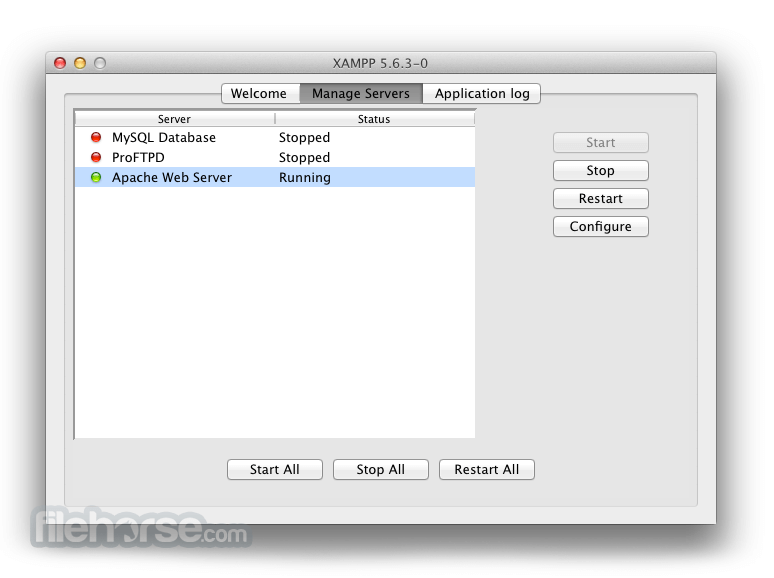
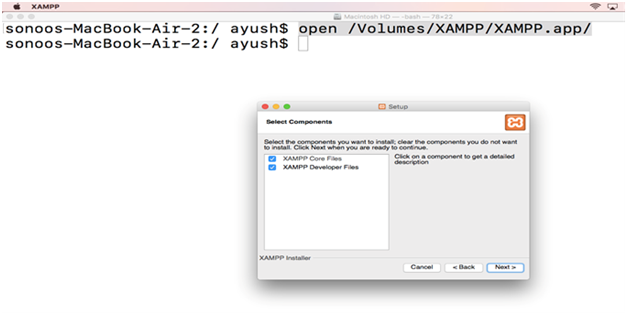
- Download the appropriate DMG file and mount it to your mac by double click on it. Application installer opens and guides you through the installation steps.
- Double click on XAMPP icon to start the installation process.
- click on Next buttonto continue.
- Select the XAMPP components which are all you want to install in your MAC

- After clicking the Next button ,XAMPP will install to your Application Folder.
- Open the bitnami link in a new window. There you can find free installer for wordpress, Joomla, Moodle, Magento, Drupal, etc… Which tends you to install these things over your XAMPP.
- Uncheck the checkbox below the link and click Next button.
- XAMPP Installation process will complete after clicking the Finish button.
Yeah thats it ! now your MAC is equipped with XAMPP.
Steps to Start Apache Server in local machine
Its time to start apache server in the local machine!
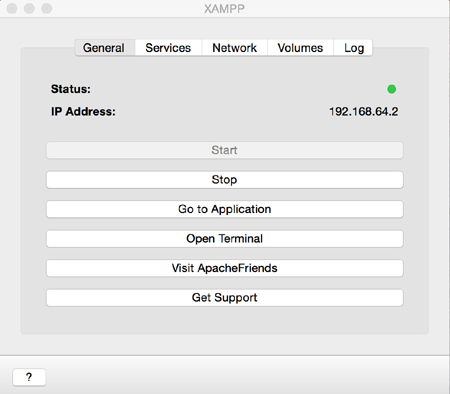
- By simple click in the “Go to Application” button start the apache servers and take you to the local server’s index page in the browser.
- Open Application Folder opens the XAMPP folder inside the Application folder.
- After clicking on Go to Application button, it redirects you to the browser where you have to pick your language.
- After choosing your language, it redirects you to the index page of your local host. You can find some inbuilt tools there.
phpMyadmin -> you can create or manipulate database easily with the help of this tool.
webalizer – > its a web analyser tool.
Manage Servers with XAMPP
- You can start, stop, restart or configure your Server under Manage Server tab.
- You can monitor the server event through Application Log panel and can easily identify for error or any malfunction happens with in it.
Configure Virtual Host in XAMPP
The virtual host is required whenever you are working in multiple projects and their directories are at different location. Virtual Host allows you to run multiple local sites using single apache server.
You can configure n number of virtual host but it must have unique different name
Steps to configure the Virtual Host in XAMPP
- Select the Apache Web Server
- Click the Configure button
- In the configuration window click on the Open Conf File button
- Click yes on the advanced user warning that appears.
Enable Virtual Host
You have to enable the virtual host in this configuration file.
Search for “# Virtual hosts” and uncomment the “Include etc/extra/httpd-vhosts.conf” line by removing ‘#’ before it.
Before:
Xampp For Mac Php 5.6
# Virtual hosts
#Include etc/extra/httpd-vhosts.conf
After:
# Virtual hosts
Include etc/extra/httpd-vhosts.conf
Change User Group
Find these “User/Group” line and Change the user group name (daemon) to your MAC user name. This prevents the server from making 403 access forbidden error.
Before:
<IfModule unixd_module>
#
# If you wish httpd to run as a different user or group, you must run
# httpd as root initially and it will switch.
#
# User/Group: The name (or #number) of the user/group to run httpd as.
# It is usually good practice to create a dedicated user and group for
# running httpd, as with most system services.
#
User daemon
Group daemon
</IfModule>
After
<IfModule unixd_module>
#
# If you wish httpd to run as a different user or group, you must run
# httpd as root initially and it will switch.
#
# User/Group: The name (or #number) of the user/group to run httpd as.
# It is usually good practice to create a dedicated user and group for
# running httpd, as with most system services.
#
User YourMacUserName
Group daemon
</IfModule>
after making this changes save the configuration file and restart the apache servers.
Creating Virtual Host
Now you can see a new file inside “/Applications/XAMPP/xamppfiles/etc/extra” called “httpd-vhosts.conf”
Open and edit : /Applications/XAMPP/xamppfiles/etc/extra/httpd-vhosts.conf
Xampp For Mac Os Mojave
Add the below lines at the end of the file
# My custom host
<VirtualHost *:80>
ServerName yourSiteName.local
DocumentRoot “/Users/yourusername/path/to/your/site”
<Directory “/Users/yourusername/path/to/your/site“>
Options All
Allow from all
AllowOverride All
Require all granted
</Directory> ErrorLog “logs/mysite.local-error_log”
</VirtualHost>
Replace the yourSiteName.local & document root path to the required one.
Creating Host Entry For the Virtual Host
- Open the terminal and edit the host file using the command sudo nano /etc/hosts
- Add these lines to the Host file
# XAMPP VirtualHost mappings
127.0.0.1 yourSiteName.local
To create multiple host replicate the code added in /Applications/XAMPP/xamppfiles/etc/extra/httpd-vhosts.conf file again but with different site name and add the host entry for that also. Restart the Apache server for the changes to take effect.
Yeah it’s all done. Now you can hit the virtual host in the browser.If you have any doubts and clarification regarding this, drop it in the comment section.
If you like this post, Share it to your friends. Dont forget to Subscribe our Feeds, Follow us on Twitter, Facebook and Pinterest.
Amazon.com WidgetsXAMPP – most of the web developer will know what it is! This simple description is for the newbies.
XAMPP is completely free PHP development environment. It contains Apache distribution packed with mysql , PHP and Pearl which is available for most popular OS’s like Windows/Linux/Mac OSX, that makes you to configure and run Apache server in your local machine.
Before downloading the XAMPP, be sure about the PHP version you need. You can download the Latest Version of XAMPP here.
Steps to Install XAMPP in MAC
- Download the appropriate DMG file and mount it to your mac by double click on it. Application installer opens and guides you through the installation steps.
- Double click on XAMPP icon to start the installation process.
- click on Next buttonto continue.
- Select the XAMPP components which are all you want to install in your MAC
- After clicking the Next button ,XAMPP will install to your Application Folder.
- Open the bitnami link in a new window. There you can find free installer for wordpress, Joomla, Moodle, Magento, Drupal, etc… Which tends you to install these things over your XAMPP.
- Uncheck the checkbox below the link and click Next button.
- XAMPP Installation process will complete after clicking the Finish button.
Yeah thats it ! now your MAC is equipped with XAMPP.
Steps to Start Apache Server in local machine
Its time to start apache server in the local machine!
- By simple click in the “Go to Application” button start the apache servers and take you to the local server’s index page in the browser.
- Open Application Folder opens the XAMPP folder inside the Application folder.
- After clicking on Go to Application button, it redirects you to the browser where you have to pick your language.
- After choosing your language, it redirects you to the index page of your local host. You can find some inbuilt tools there.
phpMyadmin -> you can create or manipulate database easily with the help of this tool.
webalizer – > its a web analyser tool.
Manage Servers with XAMPP
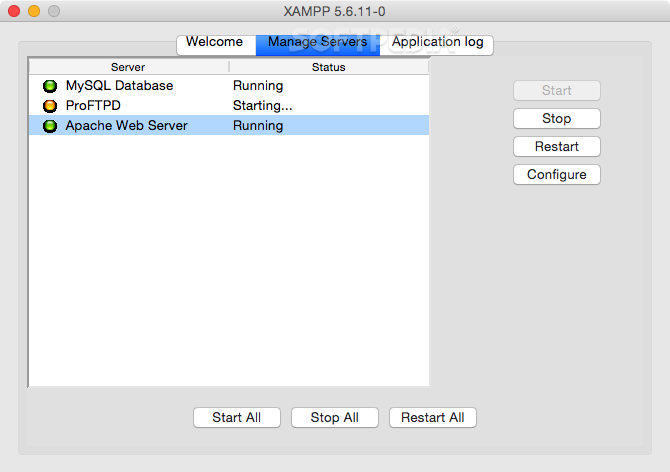
- You can start, stop, restart or configure your Server under Manage Server tab.
- You can monitor the server event through Application Log panel and can easily identify for error or any malfunction happens with in it.
Configure Virtual Host in XAMPP
The virtual host is required whenever you are working in multiple projects and their directories are at different location. Virtual Host allows you to run multiple local sites using single apache server.
You can configure n number of virtual host but it must have unique different name
Steps to configure the Virtual Host in XAMPP
- Select the Apache Web Server
- Click the Configure button
- In the configuration window click on the Open Conf File button
- Click yes on the advanced user warning that appears.
Xampp For Mac Download
Enable Virtual Host
You have to enable the virtual host in this configuration file.
Search for “# Virtual hosts” and uncomment the “Include etc/extra/httpd-vhosts.conf” line by removing ‘#’ before it.
Send to kindle for mac. Download Kindle for macOS 10.10 or later and enjoy it on your Mac. The Kindle app gives users the ability to read eBooks on a beautiful, easy-to-use interface. You may also read your book on your phone, tablet and Kindle e-Reader, and Amazon Whispersync will automatically sync your most recent page read, bookmarks, notes, and highlights, so. Go to the Home Screen panel that contains the Amazon App Suite widget in your device. Press and hold the Amazon App Suite widget until the Remove notification appears on screen. Drag the Amazon App Suite widget to the top of the screen. Once it turns red, release it to. Check that your device has the latest software version: From the Home screen, select All Settings Settings Device Info. Or click on the option Update Your Kindle, if available. Make sure your device is connected to a Wi-Fi network. Make sure you're using your current Amazon account sign-in information.
Before:
# Virtual hosts
#Include etc/extra/httpd-vhosts.conf
After:
# Virtual hosts
Include etc/extra/httpd-vhosts.conf
Change User Group
Find these “User/Group” line and Change the user group name (daemon) to your MAC user name. This prevents the server from making 403 access forbidden error.
Before:
<IfModule unixd_module>
#
# If you wish httpd to run as a different user or group, you must run
# httpd as root initially and it will switch.
#
# User/Group: The name (or #number) of the user/group to run httpd as.
# It is usually good practice to create a dedicated user and group for
# running httpd, as with most system services.
#
User daemon
Group daemon
</IfModule>
After
<IfModule unixd_module>
#
# If you wish httpd to run as a different user or group, you must run
# httpd as root initially and it will switch.
#
# User/Group: The name (or #number) of the user/group to run httpd as.
# It is usually good practice to create a dedicated user and group for
# running httpd, as with most system services.
#
User YourMacUserName
Group daemon
</IfModule>
after making this changes save the configuration file and restart the apache servers.
Creating Virtual Host
Now you can see a new file inside “/Applications/XAMPP/xamppfiles/etc/extra” called “httpd-vhosts.conf”
Open and edit : /Applications/XAMPP/xamppfiles/etc/extra/httpd-vhosts.conf
Add the below lines at the end of the file
# My custom host
<VirtualHost *:80>
ServerName yourSiteName.local
DocumentRoot “/Users/yourusername/path/to/your/site”
<Directory “/Users/yourusername/path/to/your/site“>
Options All
Allow from all
AllowOverride All
Require all granted
</Directory> ErrorLog “logs/mysite.local-error_log”
</VirtualHost>
Replace the yourSiteName.local & document root path to the required one.
Creating Host Entry For the Virtual Host
- Open the terminal and edit the host file using the command sudo nano /etc/hosts
- Add these lines to the Host file
# XAMPP VirtualHost mappings
127.0.0.1 yourSiteName.local
To create multiple host replicate the code added in /Applications/XAMPP/xamppfiles/etc/extra/httpd-vhosts.conf file again but with different site name and add the host entry for that also. Restart the Apache server for the changes to take effect.
Yeah it’s all done. Now you can hit the virtual host in the browser.If you have any doubts and clarification regarding this, drop it in the comment section.
If you like this post, Share it to your friends. Free organic chemistry loudon 5th edition programs like limewire. Dont forget to Subscribe our Feeds, Follow us on Twitter, Facebook and Pinterest.
Amazon.com Widgets